Health
Supporting Breast Cancer Awareness & Health Literacy
Each October, communities turn pink in solidarity with Breast Cancer Awareness Month. Learn how health literacy shapes decision-making, empowers communities, and helps families support loved ones through diagnosis and treatment.
••6 min read
<h2>A Powerful Month for Women's Health: Why October Matters</h2>
<p>Each October, communities across the country turn pink in solidarity with Breast Cancer Awareness Month—a time dedicated to education, early detection, and empowering individuals with the knowledge to take charge of their health. This month also highlights a critical but often overlooked component: health literacy.</p>
<p>Understanding medical information, knowing when to seek screenings, and recognizing early warning signs can drastically improve outcomes, especially in underserved neighborhoods where access to care may be limited. Breast cancer remains one of the most common health concerns for women, yet timely intervention significantly improves survival rates.</p>
<p>The foundation of prevention lies in consistent mammograms, clinical breast exams, and self-awareness. But knowledge gaps—such as not knowing the difference between a screening and diagnostic mammogram or misunderstanding risk factors—can delay care. That's why improving health literacy, particularly in local populations across Franklin and surrounding areas, is just as vital as awareness campaigns.</p>
<h2>How Health Literacy Shapes Breast Cancer Decision-Making</h2>
<p>Understanding breast cancer risks, screening guidelines, and treatment paths can feel overwhelming—yet health literacy plays a pivotal role in transforming confusion into clarity. When individuals can confidently interpret medical information, communicate with providers, and navigate care options, they're better equipped to take control of their health journey.</p>
<p>Start by learning the language: terms like <em>biopsy</em>, <em>hormone receptor status</em>, and <em>lymph node involvement</em> are common in breast health, but knowing what they mean helps demystify diagnoses. Ask questions during consultations—understanding your unique risk factors, such as family history or BRCA variants, empowers proactive steps like earlier or more frequent screening.</p>
<p>In communities across Franklin and beyond, access to understandable, actionable health information makes a measurable difference. Seek out trusted educational materials that break down complex concepts into practical takeaways—whether it's knowing when to begin regular screenings or recognizing early signs of recurrence.</p>
<p>Building health literacy isn't about becoming a medical expert—it's about gaining confidence to ask the right questions and make empowered, personalized choices.</p>
<h2>Empowering Communities: How to Drive Breast Cancer Awareness Through Local Action</h2>
<p>Breast cancer awareness thrives when communities and healthcare providers work together to educate, engage, and support at the grassroots level. Here's how your organization can lead impactful outreach that improves health literacy and access for women in Franklin and surrounding areas.</p>
<h3>Host Educational Workshops in Accessible Locations</h3>
<p>Partner with local community centers, churches, or libraries to deliver free monthly workshops. Focus on early detection, self-exams, and understanding risk factors. Use plain-language materials and offer sessions in multiple languages to reach diverse populations.</p>
<h3>Develop Culturally Relevant Resource Kits</h3>
<p>Create take-home kits with bilingual brochures, breast self-exam guides, and lists of nearby screening facilities. Distribute them through clinics, salons, and pharmacies—trusted spaces where women already gather.</p>
<h3>Train Community Health Advocates</h3>
<p>Recruit and train local volunteers to serve as peer educators. These advocates can share information door-to-door, host small gatherings, and help reduce stigma by normalizing conversations around breast health.</p>
<h3>Collaborate with Primary Care Providers</h3>
<p>Work with clinics to integrate awareness messaging into routine visits. Equip providers with patient handouts and digital tools they can share during consultations, especially for underserved or uninsured patients.</p>
<h3>Launch Mobile Outreach Campaigns</h3>
<p>Use branded vans or pop-up booths at farmers markets, malls, and senior centers. Offer quick screenings, resource sign-ups, and opportunities to schedule mammograms—making care more convenient and visible.</p>
<h2>5 Persistent Myths About Breast Cancer—And How Health Literacy Can Empower You</h2>
<p>Misinformation about breast cancer continues to fuel fear, delay screenings, and increase stigma. Here are five common myths that need to be addressed:</p>
<h3>"Only Women with a Family History Are at Risk"</h3>
<p>While genetics can play a role, the majority of breast cancer cases occur in women with no known family history. Routine screenings—like mammograms—are essential for all women over a certain age, regardless of family history.</p>
<h3>"Finding a Lump Always Means Cancer"</h3>
<p>Many breast lumps are benign, caused by hormonal changes or cysts. However, avoiding self-exams or delaying clinical evaluation due to fear can be dangerous. Health literacy encourages proactive monitoring and timely consultation.</p>
<h3>"Breast Cancer Only Affects Older Women"</h3>
<p>Though risk increases with age, younger women can and do develop breast cancer. Knowing the signs—such as skin changes, nipple discharge, or persistent pain—helps all age groups recognize when to seek care.</p>
<h3>"Antiperspirants and Bras Cause Breast Cancer"</h3>
<p>No credible scientific evidence links underwire bras or antiperspirants to cancer. Believing this myth may distract from proven risk factors like lifestyle, hormone use, and delayed childbearing.</p>
<h3>"Survivors Don't Need Follow-Up Care"</h3>
<p>Even after successful treatment, ongoing monitoring is critical. Health literacy emphasizes survivorship care plans, including regular check-ups and lifestyle adjustments to reduce recurrence risk.</p>
<h2>Your Top Questions About Breast Cancer Screening & Home Care Support</h2>
<h3>When should I start getting screened for breast cancer?</h3>
<p>Most health professionals recommend beginning annual mammograms at age 40 for individuals with average risk. However, those with a family history or genetic predisposition may need earlier or more frequent screenings. Consult your healthcare provider to determine the best schedule based on your personal health profile and risk factors.</p>
<h3>What are the most common breast cancer risk factors?</h3>
<p>Key risk factors include age (risk increases after 50), family history, certain genetic mutations (such as BRCA1 and BRCA2), hormonal influences, and lifestyle factors like alcohol consumption and physical inactivity. Dense breast tissue and prior radiation therapy to the chest also elevate risk.</p>
<h3>How does home healthcare support patients during treatment?</h3>
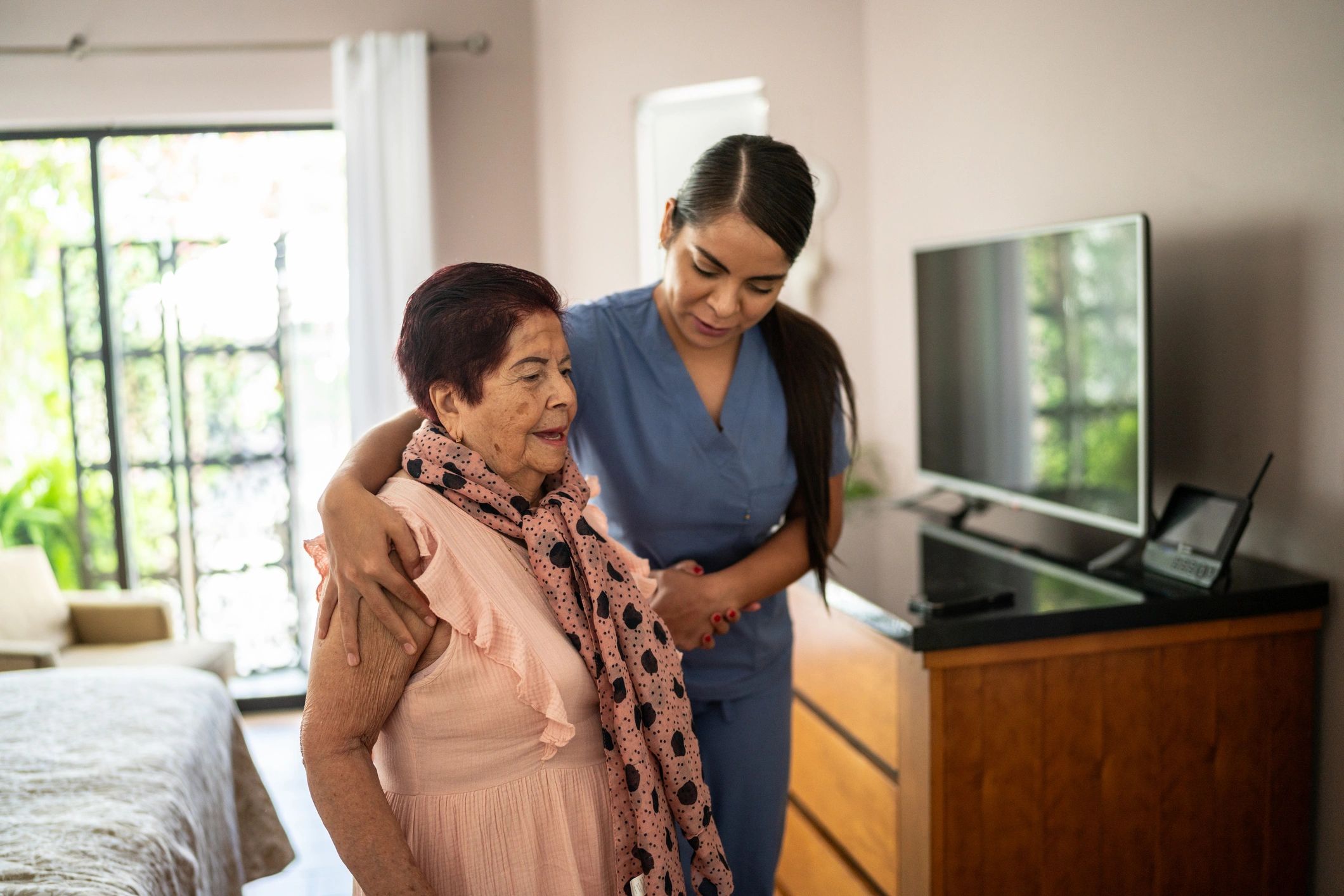
<p>Trained professionals provide critical assistance with medication management, wound care after surgery, mobility support, and nutrition planning. In-home care also reduces infection risks by limiting hospital visits and allows patients in Franklin and surrounding areas to recover in a familiar, comfortable setting.</p>
<h3>Can home care help manage side effects of chemotherapy or radiation?</h3>
<p>Yes. Caregivers monitor for treatment-related symptoms like fatigue, nausea, or skin irritation, and implement physician-approved care strategies. They also assist with daily routines, enabling patients to focus on healing.</p>
<h3>Is home healthcare covered by insurance after a breast cancer diagnosis?</h3>
<p>Many insurance plans, including Medicare, cover skilled home health services when ordered by a physician and deemed medically necessary—especially following surgery or hospitalization.</p>
<h2>Together, We Can Build a Healthier Future</h2>
<p>Advancing breast cancer awareness and health literacy isn't the responsibility of a single organization—it's a collective mission that involves families, caregivers, healthcare providers, and communities. When individuals have access to clear, accurate, and culturally relevant health information, they're better equipped to make informed decisions, seek timely screenings, and support loved ones through diagnosis and treatment.</p>
<p>Small actions, multiplied across communities, lead to measurable change. The path forward depends on empathy, education, and ongoing dialogue. By prioritizing transparency and accessibility in health communication, we empower more people to take control of their well-being.</p>
Explore Topics
#breast cancer#health literacy#women's health#awareness